Helicopter Maintenance Challenges: How AI Chatbots Solve Common Issues
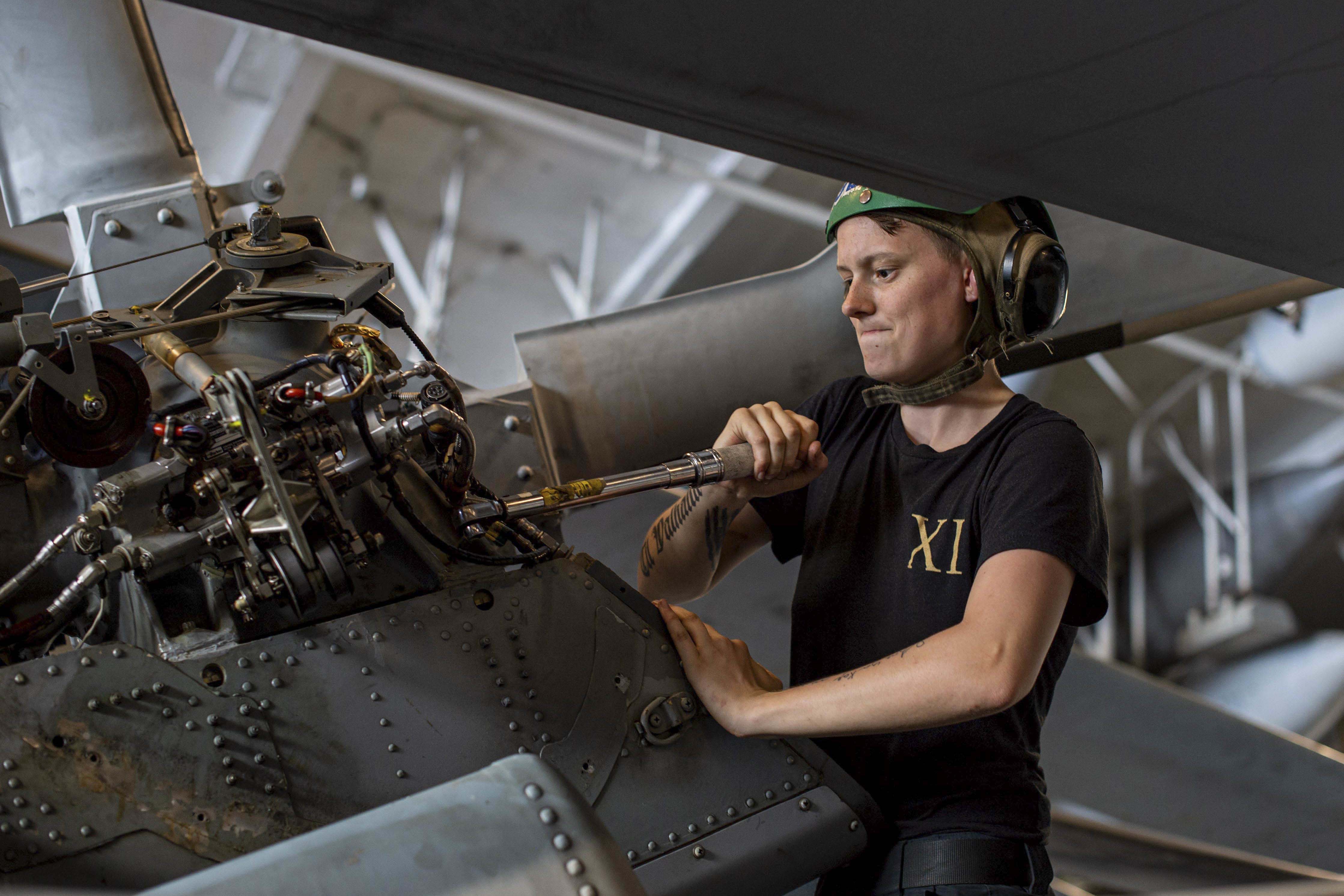
Helicopter maintenance presents unique challenges that distinguish it from fixed-wing aircraft maintenance. The complexity of rotorcraft systems, combined with demanding operational environments, creates maintenance scenarios that require specialized knowledge and rapid problem-solving capabilities. Helicopter AI chatbots are revolutionizing how these challenges are addressed.
The Unique Nature of Helicopter Systems
Helicopters operate on fundamentally different principles than fixed-wing aircraft. The main rotor system, tail rotor, transmission, and flight controls create a complex web of interconnected systems where a problem in one area can manifest symptoms in another. This complexity makes troubleshooting particularly challenging.
Traditional troubleshooting methods often involve extensive manual searches through multiple technical manuals, consultation with experienced technicians, and systematic component testing. This process can be time-consuming and may not always lead to the root cause of the problem.
Common Helicopter Maintenance Challenges
Top 5 Helicopter Maintenance Challenges:
- • Vibration Analysis: Identifying the source of abnormal vibrations in complex rotor systems
- • Transmission Issues: Diagnosing problems in high-stress gearbox systems
- • Flight Control Malfunctions: Troubleshooting hydraulic and mechanical control systems
- • Engine Performance: Analyzing turbine engine anomalies and performance degradation
- • Electrical System Faults: Resolving complex avionics and electrical issues
How AI Chatbots Transform Troubleshooting
Helicopter AI chatbots address these challenges by providing instant access to comprehensive knowledge bases that understand the interconnected nature of helicopter systems. When a technician describes symptoms, the AI can quickly correlate them with potential causes across multiple systems.
For example, when a technician reports unusual vibrations during flight, a helicopter AI assistant can immediately provide a systematic troubleshooting approach that considers main rotor track and balance, tail rotor issues, engine mounts, transmission problems, and even structural concerns—all ranked by probability based on the specific symptoms described.
Real-World Problem Solving
Consider a recent case where a helicopter operator experienced intermittent power loss during hover operations. Traditional troubleshooting would have involved checking multiple systems sequentially, potentially taking days to identify the root cause.
Using a helicopter AI assistant, the technician described the symptoms in natural language: "Power loss during hover, more pronounced in hot weather, no warning lights." The AI immediately suggested checking the engine air intake for restrictions, fuel system for vapor lock issues, and engine control unit parameters—leading to the discovery of a partially blocked air filter that was causing power loss in high-demand situations.
The Expertise Multiplication Effect
One of the most significant benefits of helicopter AI chatbots is their ability to multiply expertise across maintenance teams. Senior technicians' knowledge becomes accessible to junior staff, ensuring consistent troubleshooting approaches and reducing the learning curve for complex helicopter systems.
- Instant access to expert-level troubleshooting procedures
- Consistent diagnostic approaches across all technicians
- Reduced dependency on senior staff availability
- Faster resolution of complex maintenance issues
- Improved first-time fix rates
Looking Forward
As helicopter AI chatbots continue to evolve, they will become even more sophisticated in addressing maintenance challenges. Integration with predictive analytics, real-time aircraft data, and augmented reality will create maintenance ecosystems that not only solve problems faster but prevent them from occurring in the first place.
Ready to Solve Your Helicopter Maintenance Challenges?
Experience how Aviaid's helicopter AI assistant can transform your troubleshooting process and reduce maintenance complexity.