Digital Transformation in Aviation: From Paper Manuals to Helicopter AI Assistants
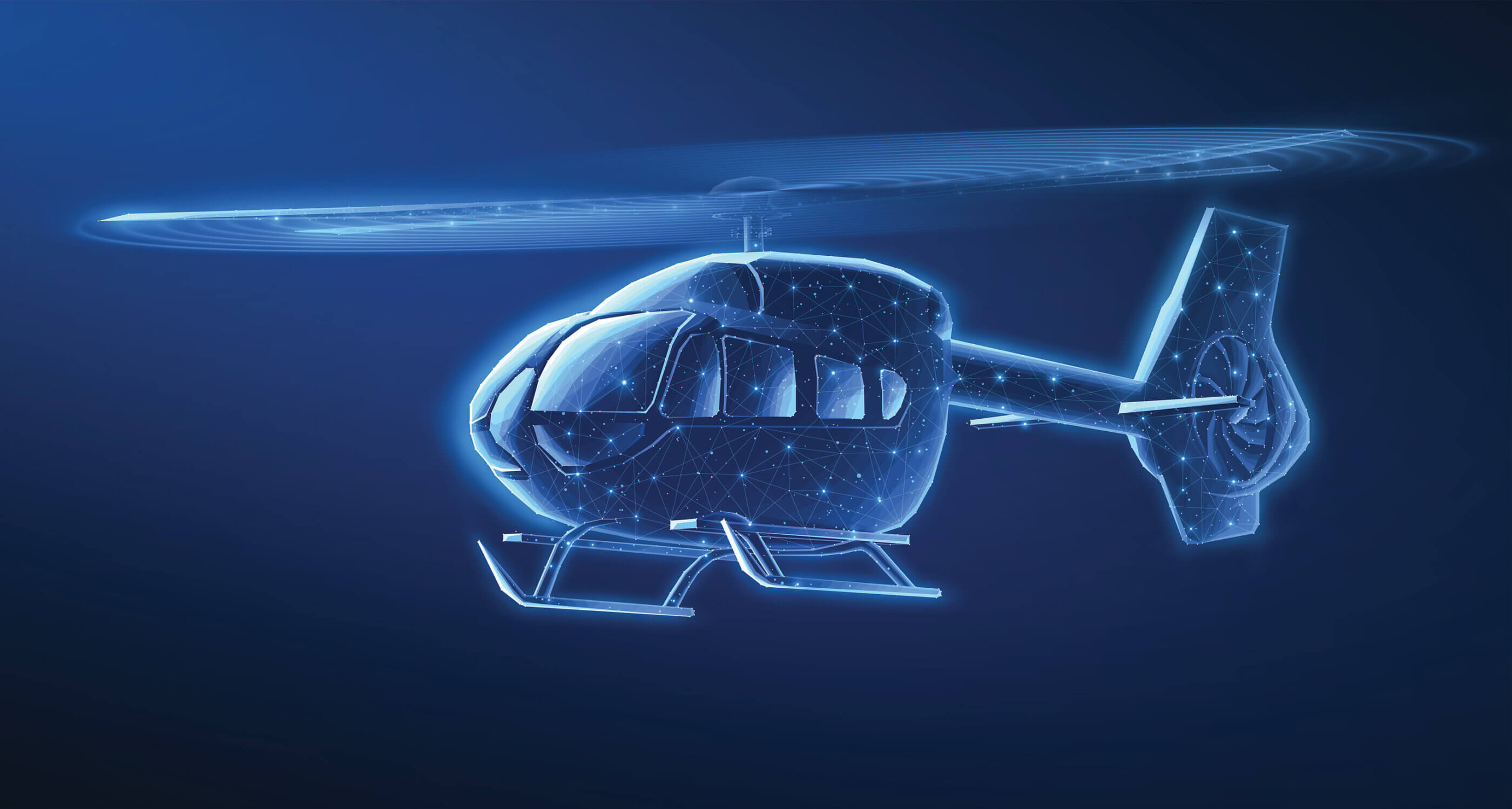
The aviation industry is experiencing its most significant transformation since the jet age. The shift from paper-based maintenance procedures to intelligent helicopter AI assistants represents more than technological advancement—it's a fundamental reimagining of how we approach aircraft maintenance, safety, and operational efficiency.
The Legacy of Paper-Based Systems
For decades, aircraft maintenance has relied on extensive paper documentation. Maintenance manuals, service bulletins, and technical directives filled countless binders, creating a system that, while comprehensive, was inherently inefficient. Technicians spent hours searching through documents, often struggling to find relevant information quickly.
This traditional approach had several limitations: information was static, searches were time-consuming, updates were slow to propagate, and knowledge transfer depended heavily on experienced personnel. The industry needed a revolution, not just an evolution.
The Digital Revolution Begins
The first wave of digital transformation brought electronic manuals and computerized maintenance management systems. While these represented significant improvements, they still required technicians to navigate complex interfaces and search through digital versions of the same extensive documentation.
Evolution of Aviation Maintenance Technology:
- • 1990s: Introduction of computerized maintenance tracking
- • 2000s: Electronic technical manuals and digital documentation
- • 2010s: Mobile applications and tablet-based maintenance systems
- • 2020s: AI-powered helicopter assistants and intelligent troubleshooting
Enter Helicopter AI Assistants
Today's helicopter AI assistants represent the culmination of digital transformation in aviation maintenance. These systems don't just digitize existing processes—they fundamentally reimagine how maintenance knowledge is accessed, processed, and applied.
Unlike traditional systems that require technicians to know what to search for, AI assistants understand natural language queries and can interpret symptoms, conditions, and maintenance scenarios to provide targeted, actionable guidance.
Transformational Benefits
The impact of helicopter AI assistants extends far beyond simple efficiency gains. These systems are transforming every aspect of maintenance operations:
- Knowledge Democratization: Junior technicians gain access to expert-level guidance
- Consistency: Standardized responses ensure uniform maintenance quality
- Speed: Instant access to relevant information reduces troubleshooting time
- Accuracy: AI-powered analysis reduces human error in maintenance procedures
- Continuous Learning: Systems improve over time through machine learning
The Future of Aviation Maintenance
As we look toward the future, helicopter AI assistants will become even more sophisticated. Integration with IoT sensors, predictive analytics, and augmented reality will create maintenance ecosystems that are proactive rather than reactive.
The transformation from paper manuals to AI assistants represents more than technological progress—it's a fundamental shift toward smarter, safer, and more efficient aviation operations. Organizations that embrace this transformation today will lead the industry tomorrow.
Ready to Transform Your Maintenance Operations?
Join the digital transformation with Aviaid's advanced helicopter AI assistant technology.